At altitude, where is less oxygen, the body strives to create enough energy for its operation. Eventually the body adapts to the hypoxic environment by improving lung function and oxygen utilization, improving blood oxygen transmission and its more efficient consumption in the cells.
Hypoxic (or Altitude) training is a training method that can help athletes and other health-concious individuals improve their physical performances and wellness. It can also be utilized to help people acclimatize to environments of higher altitudes. Because these environments have reduced levels of oxygen, they provide the perfect conditions to train in.
The result is a more efficient, increased oxygen carrying capacity when returning to sea level. Another benefit of training at altitude is an improvement in lactate buffering. The ability to buffer lactate is key to racecourse performance as lactate accumulation is the primary limiting factor in races.
As the cardiovascular system is forced to adapt and work harder at altitude the horse is able, and in fact must, work at a lower intensity to deliver the same stimulus required at sea level thus causing less wear and tear on the musculoskeletal system which can prolong the career of an athlete.
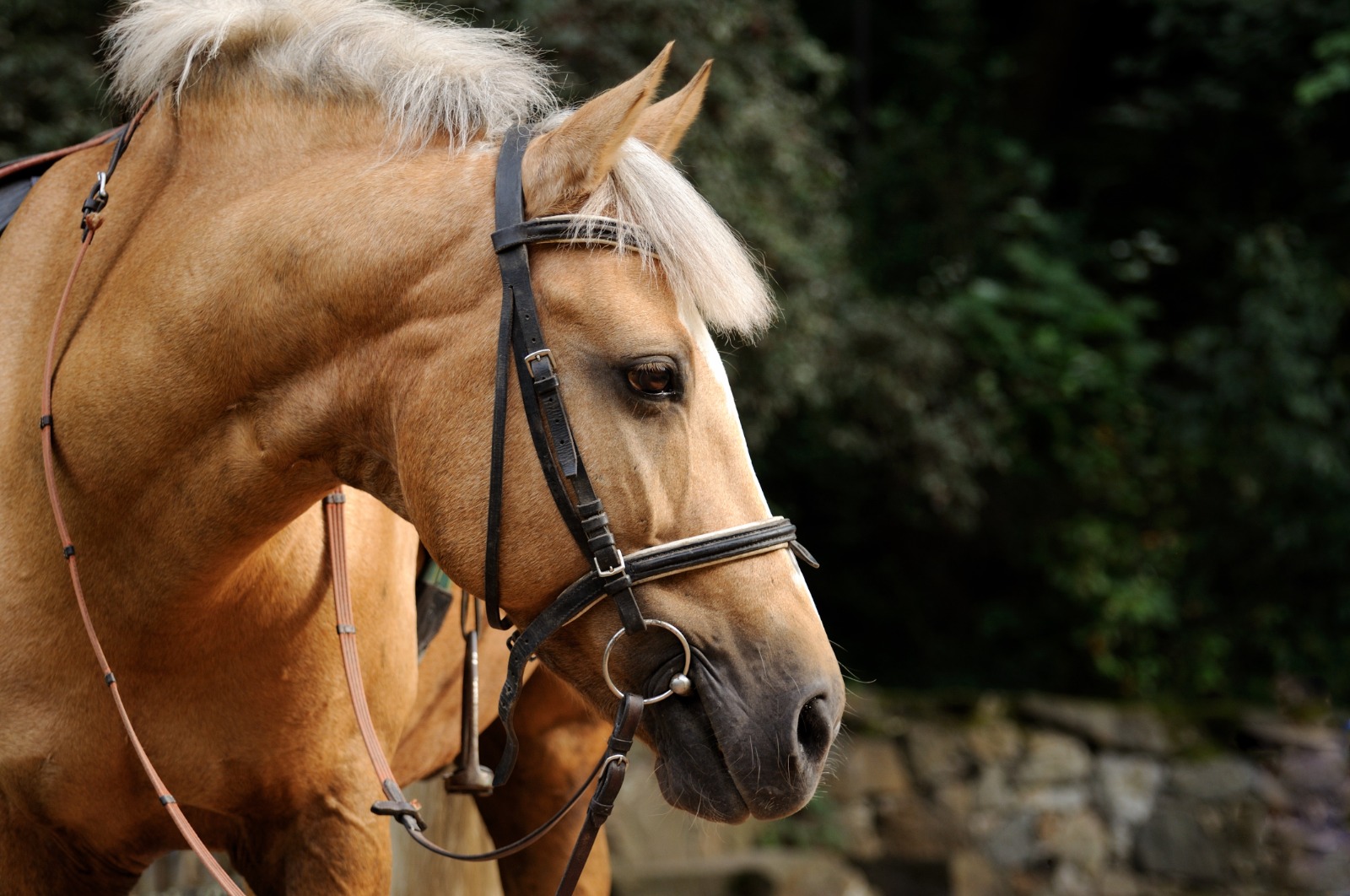
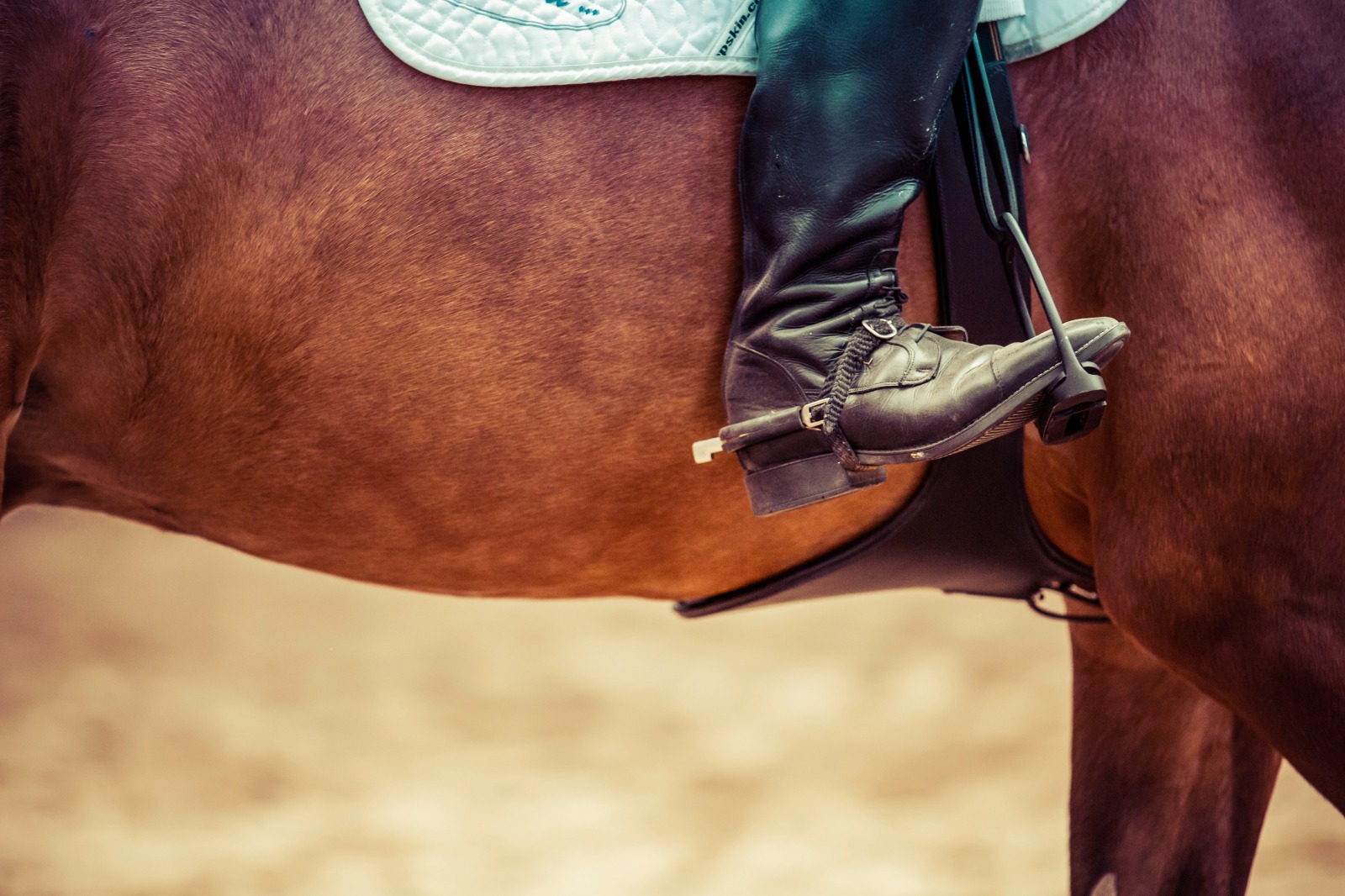
Equine training refers to the process of educating and conditioning horses for specific purposes, such as riding, driving, or competitive sports. It encompasses a wide range of activities aimed at developing the physical fitness, mental focus, and behavioural responsiveness of horses. Equine training may include teaching horses to respond to cues, commands, and aids from riders or handlers, as well as building strength, agility, and coordination through exercise and conditioning programs.
Training methods vary depending on the discipline, the individual horse’s temperament and abilities, and the desired outcomes. Overall, equine training aims to cultivate a partnership between horse and rider, ensuring the horse’s safety, welfare, and optimal performance in various activities.